

When we talk about SEO and LLMs, it’s easy to get lost in a sea of technical jargon. But at their heart, these are just two different ways of helping humans find what they’re looking for in the vast, messy library of the internet.
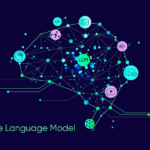
Think of it this way: SEO (Search Engine Optimization) is the art of organizing the library so the librarian can hand you the right book. An LLM (Large Language Model) is more like a genius friend who has read every book in that library and is happy to sit down and summarize them for you over coffee.
Neither is “better” than the other, but they are fundamentally different tools. Here’s how the two stack up in plain English.
1. The Goal: Traffic vs. Answers
The biggest difference is what happens after you ask a question.
-
SEO is a Map: The goal of SEO is to drive traffic. When you search for “best hiking boots,” Google shows you a list of websites. You click one, you visit their page, and you (hopefully) buy some boots. The website owner wins because they got a visitor.
-
LLMs are an Answer Engine: When you ask an LLM (like ChatGPT or Gemini) for hiking boot recommendations, it doesn’t give you a list of links to click. It looks at everything it knows and writes you a personalized summary. You get your answer without ever leaving the app.
2. Keywords vs. Context
How these systems “understand” you is where the real magic (and frustration) happens.
SEO: Playing by the Rules
SEO relies on signals. To rank well, a website needs to prove it’s trustworthy. It does this by using specific keywords, having other reputable sites link to it (backlinks), and ensuring the page loads quickly. It’s a game of authority and structure. If you don’t use the words people are searching for, you’re invisible.
LLMs: Reading Between the Lines
LLMs don’t care as much about specific keywords. They are trained on the patterns of human language. They understand context and intent. You can talk to an LLM like a person—using “um,” “uh,” and vague descriptions—and it will usually figure out what you mean. It’s not looking for a match; it’s looking for a meaning.
-
3. The Experience: Browsing vs. Chatting
The way we use these tools feels completely different:
Feature SEO (Search Engines) LLMs (AI Chatbots) Output A list of sources (The “Blue Links”) A single, cohesive response Effort User has to click, read, and compare AI does the reading and comparing for you Trust You see the source immediately You have to trust the AI (or check its citations) Action Best for “Go,” “Do,” or “Buy” Best for “Explain,” “Summarize,” or “Create”
4. Why This Matters for the Future
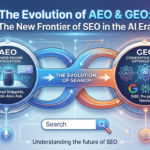
For years, the “deal” on the internet was simple: I write good content, Google sends me people. With LLMs, that deal is changing. If the AI gives the answer directly, users might not click through to the original website. This has led to a new concept called GEO (Generative Engine Optimization). Instead of just trying to rank #1 on Google, creators are now trying to figure out how to make sure an AI mentions their brand when a user asks a question.
Better Together: Why We Need Both
If you want to check the weather, see live sports scores, or buy a specific product, SEO and search engines are still king. You want the source. You want the “real” thing.
But if you want to understand why your sourdough starter isn’t rising, or you need a 5-day itinerary for Tokyo that avoids crowds, an LLM is your best friend. It saves you the time of clicking through ten different blogs to find the common thread.
The Bottom Line
SEO is about discovery. LLMs are about synthesis.
As we move forward, the line between them will continue to blur. Search engines are adding AI “overviews,” and AI models are adding links back to the web. For those of us using them, it just means we have more ways than ever to get the information we need. The tools are evolving, but the goal is the same: making sense of the digital world, one question at a time.
Read More digital Marketing blogs.