

Since social media began, sharing, talking, and learning have altered. It started as a social outlet. Today’s living environment affects politics and business. In recent years, technology, usage, and culture have changed rapidly. Due to this, social media has evolved significantly. Know these Social media changes if you, your business, or your corporation want to stay relevant in the digital age.
The Shift Toward Authenticity and Real-Time Content
People want to be real more than ever on social media. Users no longer respond to things that look too fake or staged. They want authentic, unaltered posts on real events. Live videos, behind-the-scenes films, and rapid app modifications like Instagram and TikTok make people more honest and candid. Businesses and people with many fans will communicate differently after this transformation. People will be able to relate to more honest talks and stories.
Short-Form Video Takes the Lead
Although most people like short films, many still prefer lengthier ones. TikTok, Instagram Reels, and YouTube Shorts change video viewing. No longer do people want long stories. Instead, they want short clips that look good and are interesting. This change has forced brands to change their plans. They now stress that their words need to be quick, creative, and clear. It is very important to be able to get people’s attention right away on the Internet.
The Rise of AI and Algorithmic Personalization
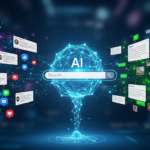
Smart computers, also known as AI, are now a big part of a lot of social networking sites. What people see now is chosen by algorithms based on what they like, how often they interact with it, and how they interact with it. It’s good for users when things are tailored to their needs, but it can also cause issues like echo chambers and less exposure to different points of view. These formulas are important for business and art people to understand so that more people can see and connect with their work. AI-based tools are also used to make content, spot trends, and narrow down ads. In general, this changes how marketing is done.
Social Commerce Becomes Mainstream
E-commerce is now a part of social sites, which is one of the big Social media changes. It’s no longer just a way to talk to people; it’s also a market. Instagram Shops, Facebook Marketplace, TikTok Shop, and “buyable pins” on Pinterest are some of the new ways that people can shop online. The app now lets you find things, rate them, and buy them all. Due to the rise of social shopping, it’s getting harder to tell the difference between business and information. This is why social media is now an important way for companies to make sales.
The Future of Social Media
People must change for social media to grow. New technologies like AR, VR, and metaverse-based systems may revolutionize how people utilize technology. People will also care more about ethics, openness, and the environment. It will eventually be a location to meet, have fun, and do business. Trust, innovation, and honesty will always be key.
How powerful social listening and real-time interaction can be
The process of social listening—that is, keeping an eye on online conversations to figure out how people feel, spot trends, and react before they happen—is becoming more and more important in social media today. Brands no longer just post content; they also listen to what people say about them and make changes right away. With this change, companies can find crises earlier, keep their reputations in check, and connect with their fans in a more genuine way.
Social media sites like X (formerly Twitter), Instagram, and Threads are turning into real-time places where customers can give feedback. This makes quick responses and emotional intelligence very important parts of a social media plan.
The Rise of Small Influencers and Private Communities
Mass communication is still important, but more and more people are moving toward private groups and smaller online communities where they can have more personal talks. This change has made more people want micro- and nano-influencers, who give niche engagement and high trust rather than large, passive audiences.
When brands put money into building smaller, more loyal communities, they see more sales and better relationships over time. This is the start of a new era of meaningful digital contact instead of just being visible.
Conclusion
Social networking was very different ten years ago. Smarter, quicker, and stronger than ever. These changes demonstrate how much people utilize technology daily. Visitors to these places should act responsibly. To adapt to a changing world, brands must change their plans. There is one thing that is certain: social networks will change over time. People who can deal with these Social media changes will still do well in the net world.