



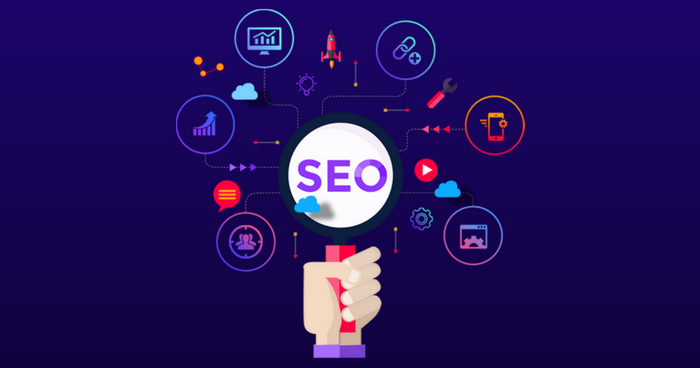

In the digital age, visibility is everything. You can have a beautifully designed website with valuable content, but if it doesn’t appear in search results, potential customers might never find you. That’s where Search Engine Optimization (SEO) steps in.
SEO is the backbone of digital marketing — a blend of strategy, creativity, and technical know-how that helps your website rank higher on search engines like Google. In this guide, we’ll cover the SEO basics and provide a quick roadmap to get you started.
What is SEO?
SEO (Search Engine Optimization) is the process of improving your website’s visibility on search engines. The goal is simple — to appear on the first page of Google when someone searches for keywords related to your business or topic.
When done right, SEO drives organic (unpaid) traffic to your website, helping you attract users who are genuinely interested in what you offer.
For example:
If you run a fitness blog and optimize for the keyword “home workout routines,” you’re more likely to appear when users search for that phrase — without spending a rupee on ads.
Why SEO Matters
-
Increases Visibility: Helps your target audience discover your website naturally.
-
Builds Trust: People trust websites that rank high on Google.
-
Drives Quality Traffic: Reaches users who are actively searching for your products or services.
-
Long-Term ROI: While paid ads stop when the budget ends, SEO delivers ongoing results.
How Search Engines Work
To understand SEO, it helps to know how search engines like Google operate.
-
Crawling: Search engines use bots (spiders) to scan web pages and discover new content.
-
Indexing: The crawled pages are stored and organized in Google’s massive database.
-
Ranking: When a user searches for something, Google ranks pages based on relevance, authority, and user experience.
Your job as an SEO professional is to make your website easy to crawl, index, and rank.
Key Elements of SEO
SEO isn’t just one activity — it’s a combination of different strategies. Let’s break it down.
1. On-Page SEO
These are optimizations made on your website to help search engines understand your content.
Key factors include:
-
Optimizing titles, meta descriptions, and headers
-
Using relevant keywords naturally
-
Creating high-quality, original content
-
Internal linking to related pages
-
Image optimization (ALT tags, file size)
2. Off-Page SEO
This focuses on improving your website’s authority through external factors.
Key strategies include:
-
Building backlinks from credible sites
-
Guest posting and influencer collaborations
-
Brand mentions and social signals
The more trustworthy websites that link to you, the more Google views your site as authoritative.
3. Technical SEO
This ensures your website is easy for search engines to crawl and index.
Key technical areas include:
-
Website speed optimization
-
Mobile responsiveness
-
XML sitemaps and robots.txt
-
Secure connection (HTTPS)
-
Fixing broken links or redirects
SEO Quick Guide: Steps to Get Started
Here’s a quick, step-by-step guide for beginners to implement SEO effectively.
Step 1: Keyword Research
Use tools like Google Keyword Planner, Ahrefs, or Ubersuggest to find keywords your target audience searches for.
Focus on long-tail keywords (e.g., “best SEO tools for small businesses”) — they’re less competitive and more specific.
Step 2: Optimize Your Website Content
-
Include your primary keyword in the title, meta description, and first paragraph.
-
Use header tags (H1, H2, H3) for better readability.
-
Write valuable, informative content that answers user intent.
Step 3: Improve User Experience
Google prioritizes websites that load fast and look great on mobile.
Test your site using Google PageSpeed Insights and ensure smooth navigation.
Step 4: Build Quality Backlinks
Reach out to relevant websites for guest posts or resource link placements. Avoid spammy or paid links — focus on quality over quantity.
Step 5: Track & Measure Results
Use Google Search Console and Google Analytics to monitor traffic, keyword rankings, and click-through rates.
Regular tracking helps identify what’s working and where to improve.
Bonus SEO Tips
✅ Create engaging meta titles and descriptions
✅ Use HTTPS for site security
✅ Add schema markup for better visibility
✅ Update old content regularly
✅ Optimize for mobile-first indexing
Final Thoughts
SEO isn’t a one-time task — it’s an ongoing process of improvement and adaptation. Search engines evolve constantly, but the foundation remains the same: deliver valuable content and great user experiences.
By understanding these SEO basics and following this quick guide, you’ll build a strong foundation for better rankings, consistent traffic, and long-term digital success.
Check out more blogs at sakshamkhandelwal.in