


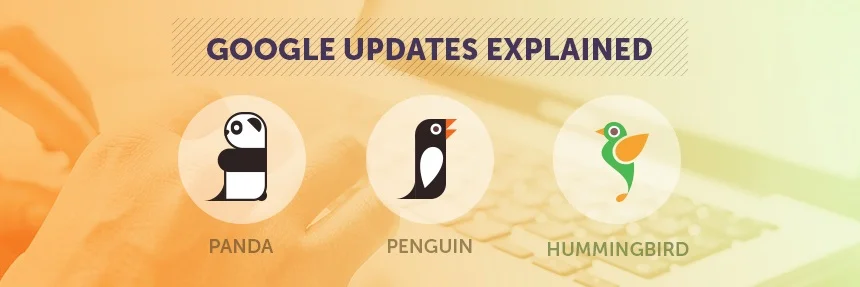

A lot of people use search engines to find online businesses, services, and help. Since it’s the most popular search engine, Google always provides the finest results and information. You may be interested that Panda, Penguin, and Hummingbird revolutionized SEO. Even though they corrected separate issues, these adjustments affected website rankings and SEO plans.
What is the Google Panda Update?
When Panda came out in February 2011, it was meant to make everything on the internet better. A lot of websites were scoring well, but Google knew that the content on those websites was bad, thin, or the same. People got mad when they kept finding bad pages when they were looking for useful information.
Panda’s main purpose was to punish websites that used keyword stuffing, article spinning, or content farming and reward websites that had unique, in-depth, and easy-to-use content. Search engine results dropped a lot for websites that copied or reused content from other sources after Panda came out.
Panda slowly became a big part of Google’s main system. So now the quality of the material always plays a part in how it ranks. Content should put customer value ahead of keyword manipulation. This is a clear lesson for businesses and marketing.
What is the Google Penguin Update?
Penguin, which came out in April 2012, was meant to stop building links in a dishonest way. A lot of websites could get higher rankings before this update by just getting a lot of backlinks, it didn’t matter how good or useful those links were. To trick Google, a lot of people bought links, used link farms, and put backlinks that didn’t go anywhere.
Penguin’s job was to find websites that built links in a spammy or incorrect way and punish them. It checked the quality of backlinks and made links that looked like they were bought or made by computers less powerful.
The update told websites and businesses to focus on getting links naturally by making content that people want to read, writing guest posts for relevant sites, and connecting with real people online. Penguin changed SEO over time from a game of numbers to one that focused on how good and useful the links were.
What is the Google Hummingbird Update?
Google’s August 2013 Hummingbird upgrade modified query display. Panda and Penguin mostly punished negative behaviour. This was different from Hummingbird, which improved search accuracy and understood user intent.
It also helped Google interpret enquiries, which is crucial as voice and conversational search become more frequent. Because of Hummingbird, Google could analyse more than phrases. It could interpret a query and its context. How about “Where can I find the best pizza near me?” Google recognised the user sought local pizza advice.
This increased semantic search attention. This required websites to answer enquiries naturally and directly. Structured data, built-in FAQs, and long-tail keywords that illustrate how people look were advised.
The Combined Impact of Panda, Penguin, and Hummingbird
After these three modifications, SEO now prioritises intent-based results, user experience, and content quality.
- Panda taught websites the value of original, high-quality, user-centred content.
- Penguin emphasized that making links should be ethical, relevant, and natural.
- Hummingbird highlighted that semantic search and context are important for getting good results.
Once these changes were made, companies had to stop using short-cuts and start using long-term SEO strategies. No longer could websites try to trick the algorithm. Instead, they had to follow Google’s fundamental goal—to answer questions best.
Why these changes are still important now
Even though Panda, Penguin, and Hummingbird are old, they gave Google some of its best ideas.They should be a part of every SEO plan right now. You can still hurt your rankings by making content that isn’t very useful, using fake backlinks, or not giving people what they want.
The way SEO works now, this means:
Investing in educational, entertaining, or informative content marketing.
• Getting backlinks from real websites and people you can trust.
• Putting content together in a way that directly answers user questions, especially those who use voice search or their phones.
Conclusion
Panda, Penguin, and Hummingbird were big changes made by Google that changed the past of SEO. Users’ goals, backlinks, and information were some of the things that were talked about as ways to improve search quality. They made digital content and search better in the end, but many websites had trouble with them when they first came out.
Think about quality, authenticity, and how it applies to the person. Firms and people who work in SEO need to do these things right now to stay current. Sites that do this will not only do better in search results, but they will also give users real value, which is different from changing the way the system works.